
ESCAPE THE A.I. RETROFIT TRAP - RUN Your Entire Business With Half the Team and 5X the Output
For business owners who know AI changes everything — whether you've gone all in or haven't started yet. The one question that separates the owners quietly pulling ahead from everyone else.

I'm about to expose the AI gurus yapping about OpenClaw and promising you "this" new tool will change everything.
You know exactly who I'm talking about.
Prompt engineers who've never run a business. LinkedIn thought leaders who were selling real estate courses two years ago. Consultants who charge $15,000 for an AI agent that breaks in production. Course creators selling prompt lists that are outdated before you finish downloading them.
They're everywhere. And they're the reason you're confused.
Last week it was agents. This week it's "agentic workflows." Next month it'll be something else with a different name that does roughly the same thing. The jargon changes every six weeks but the advice never gets any more useful.
Only $7 for a Limited Time


I'm about to expose the AI gurus yapping about OpenClaw and promising you "this" new tool will change everything.
You know exactly who I'm talking about.
Prompt engineers who've never run a business. LinkedIn thought leaders who were selling real estate courses two years ago. Consultants who charge $15,000 for an AI agent that breaks in production. Course creators selling prompt lists that are outdated before you finish downloading them.
They're everywhere. And they're the reason you're confused.
Last week it was agents. This week it's "agentic workflows." Next month it'll be something else with a different name that does roughly the same thing. The jargon changes every six weeks but the advice never gets any more useful.
Right now, you're in one of two places
Either you've been going all in on AI. Your team's using ChatGPT. You've tried automations, content tools, meeting transcribers, proposal generators — maybe a dozen subscriptions. You've invested the time, spent the money, done the work. And your revenue hasn't moved. Your margins are the same. Your business looks... basically identical. You're doing the same things you were doing two years ago, just slightly faster.
Or you know you should be doing more with AI, but you haven't really started. Maybe you're using ChatGPT here and there. Maybe you've been meaning to figure it out. But every time you look into it, you're hit with that wall of conflicting advice. So you've been waiting. Watching. Hoping it'll become clearer before you have to act.
Both positions are dangerous.
The business owners who went all in on AI tools but didn't change anything structural? They're treading water. Burning money and time on a faster version of the same business.
The business owners who've been waiting for clarity? Their competitors didn't wait. And the gap that's opened up in the last twelve months isn't the kind that closes on its own.
But the owners who are quietly pulling ahead — the ones whose businesses look completely different from eighteen months ago — they didn't have better tools or bigger budgets.


A single question that changes everything about how you think about AI in your business. And nobody in the AI guru industry is talking about it — because they don't know it exists.
This Could Save You Years of Burnout and Completely Change How You Run Your Business

I'm Ben Simkin.
I've spent thirty years in both rooms, technology and direct-response marketing, simultaneously.
Contributed to $2.8 billion+ in client revenue across three decades
Scaled Canterbury Services from $35M → $180M, helped build ZTI to ~$300M
Personally spent $30M+ on paid advertising
Wrote first code using 1970s computing manuals — authored Linux Documentation Project contributions
Founded first tech company at 20, sold at 24
That's the difference between someone who talks about AI and someone who has deployed it at scale, in real businesses, with real money on the line.

Before I Go Any Further,
Here's What I Want to Put in Your Hands
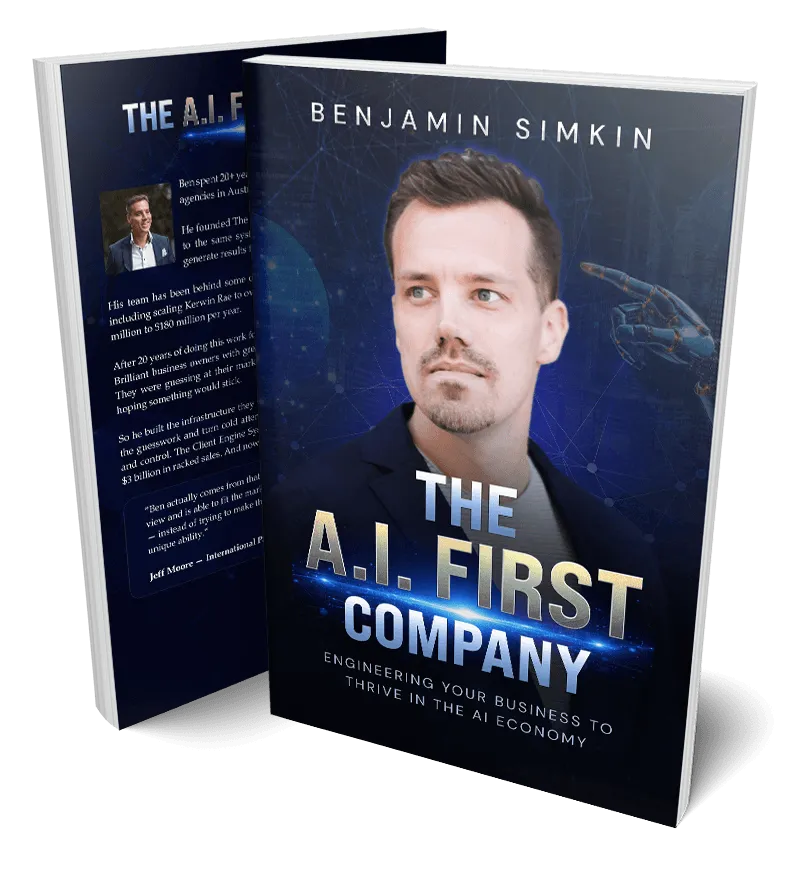
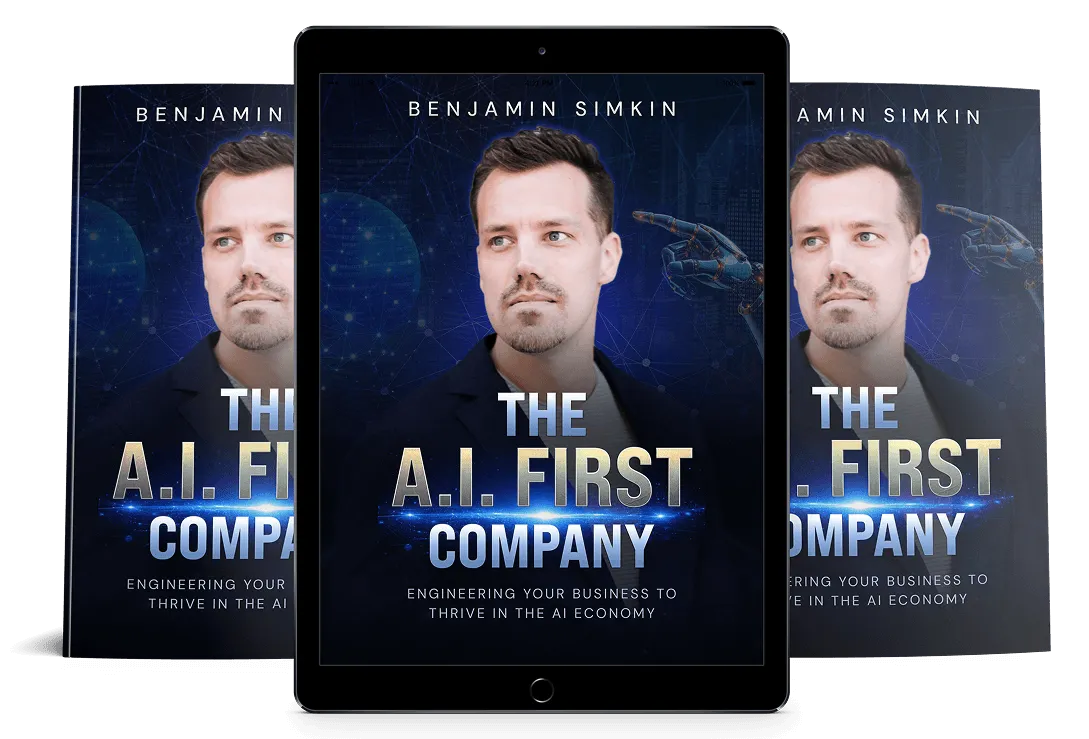
Everything I'm about to walk you through comes from a book I wrote called The AI First Company.
35 chapters. 7 parts. The complete framework for re-engineering your business around what AI actually makes possible — not what the gurus promise.
It's yours for $7.
I'll explain why it's $7 later. For now, if you've already heard enough and you're ready — grab it here.
If you want to understand why this matters so much, keep reading. I'll wait.
I Went All In on AI. Six Months Later, My Business Was in Worse Shape Than Before.
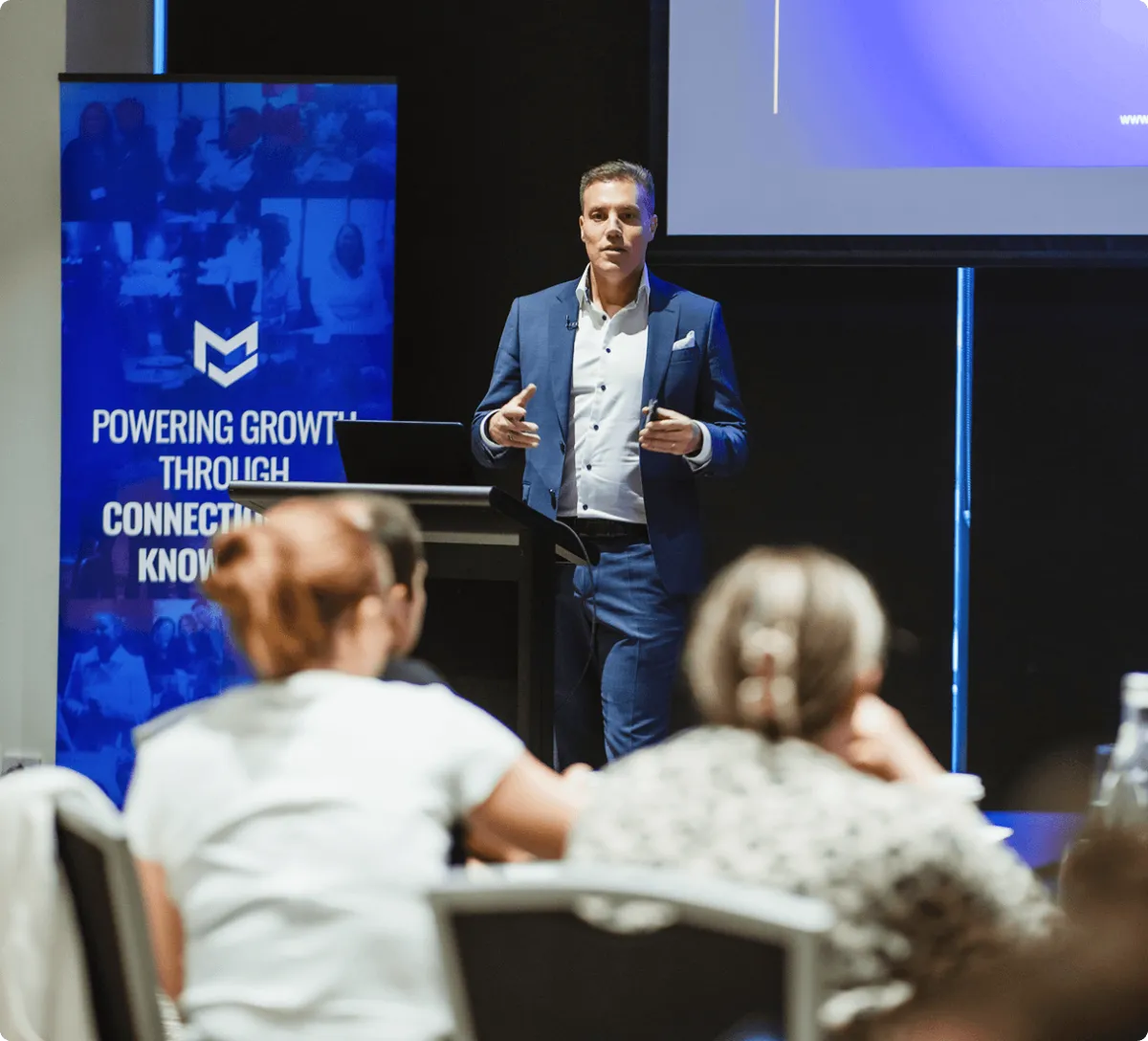
Two years ago, I went all in on AI. I was convinced it was going to change everything about my business.
And I had every reason to believe that. I've been building technology my entire life. Coding since before most people had a computer in their house. Engineering systems that ran parts of the early Australian internet. If anyone was going to crack AI for business, it should have been me.
So I did what any smart business owner would do. I brought AI into my existing business. My team of forty-seven people started using it everywhere. Content creation. Ad generation. Customer service. Strategy. Research. Reporting. AI tools running across every department. A fortune on subscriptions. Hours every week learning new platforms.
Six months later, I looked at the numbers.
Revenue was down. Margins were worse. Forty-seven people on payroll, same as before — except now half their week was going into learning new platforms instead of revenue-producing work.
Thirty years of technology experience — and I was going backwards.
I wasn't using AI wrong. I was asking the wrong question entirely.
I was asking: "Where can AI help my existing business?"
The right question was: "If I were building this company today, from nothing, knowing what AI makes possible — would it look like this?"
The answer was obviously, painfully, no.
So I did something uncomfortable. I didn't add more tools. I redesigned the business from the foundation. I rebuilt the offer structure. Restructured the team. Changed the delivery model. Rethought every workflow — not "where can AI speed this up?" but "would this workflow even exist in an AI-first company?"
Within nine months, my company had fewer people, higher revenue, dramatically better margins, and a competitive position that compounds every single month.
A Tale of Two Business Owners
Both adopted AI. Both were smart. Only one now has a business that runs differently.

Let me tell you about Marcus.
Marcus ran a digital marketing agency. Fifteen staff. About three million a year. Solid business. When AI hit, Marcus went all in.
He signed his content team up for ChatGPT. Designers got Midjourney. Developer got GitHub Copilot. Zapier automations for onboarding. AI meeting notes tool. Custom GPTs for internal processes. Eleven AI subscriptions. Monthly cost ~$2,400.
Four months later, I sat down with him.
"Revenue up?" — "Roughly the same."
"Margins?" — "Actually... a little worse."
"Team capacity?" — "We're busier than ever, actually."
Here's what happened. He took his existing business — same team, same offer, same delivery model, same workflows, same pricing — and sprinkled AI on top. Like putting a jet engine on a horse cart.
I call this the Retrofit Trap — the single biggest reason smart business owners invest in AI and see nothing change.
Now let me tell you about Sarah.

Similar business. Digital marketing agency. Twelve staff. $2.5M revenue.
Sarah didn't start by buying tools. She started by asking the question Marcus never asked:
"If I were starting this agency today, from scratch, knowing what AI can do — would it look like this?"
She sat with it for a week. Looked at every role, workflow, deliverable, cost centre. Then she redesigned the business from the ground up. Three months of hard, uncomfortable work. Some team resisted. A few left.
Then the numbers came in.
The Retrofitter
Marcus
Added 11 AI subscriptions to his existing business. Kept every role, workflow, and offer identical.
Team size - 15 (unchanged)
Monthly AI spend ~$2,400
Revenue - Roughly same
Margins - Slightly worse
Team workload - Busier than ever
The Re-engineer
Sarah
Redesigned the business from scratch around what AI made possible before buying a single tool.
Team size - 12 → 7
Margins - 22% → 45%+
Client onboarding - 3 weeks → 3 days
Monthly reporting - 8 hrs → 90 min
Rev / team member - Nearly doubled
Same market. Same clients. Completely different business under the hood.
Marcus is still running roughly the same business. Sarah's competitors can't figure out how she's doing it.
And the gap between them gets wider every single month.
Everyone's Using AI. Nobody's Growing.
If you've read this far, I'd bet good money you recognise yourself somewhere in Marcus's story. Maybe not eleven tools. Maybe six. Maybe three. The number doesn't matter.
What matters is this: you've been doing the "right" things. Adopting. Experimenting. Spending money and time and attention.
And your business looks... basically the same.
I know a business owner who went further than Marcus. Twelve to fifteen hours a day, for six months straight, building his own CRM from scratch using Claude. Integrated tools. Custom agents. Living inside his development environment.
"You told me six months ago this would double your capacity. Where are you at?"
Dead silence. He hadn't doubled. He hadn't stayed flat.
He'd gone backwards.
While he was building AI systems fifteen hours a day, nobody was doing marketing, having sales conversations, or talking to customers. AI didn't grow his business. AI BECAME his business.
Do this right now. If you removed every AI tool from your business tomorrow... would it still function in basically the same shape? Same team, same work, same way — just slower? If yes, you've been retrofitting.
A jet engine on a horse cart is still a horse cart.
Why Retrofitting Will Never Work
No Matter How Good the Tools Get
I'm not saying retrofitting doesn't work YET. The approach itself is structurally broken.
When you bolt AI onto an existing business, you inherit every limitation of the original design. The roles assume humans doing manual work. The offer is priced around human delivery costs. The whole thing was built for a world that no longer exists.
When cars replaced horses, the winners weren't the people who strapped engines onto their carriages. They were the ones who designed vehicles from scratch around what an engine could do.
You can't optimise your way out of a structural disadvantage. You have to redesign.
Here's What Nobody's Telling You
The owners who re-engineered twelve months ago already have a compounding advantage you cannot see from the outside. Leaner team. Higher margins. Systems that learn from every customer interaction.
A re-engineered competitor can deliver the same quality faster and cheaper. They can undercut your pricing by fifteen percent and still make more profit than you. You don't notice this as a single event. You notice it as a slow bleed. One lost proposal. Then another. Your close rate slipping from 40% to 32%.

Meanwhile, AI was supposed to free you up. Less operational work. More strategic thinking. More time. But are you spending LESS time on operations? Or MORE time managing tools, learning platforms, configuring automations?
The AI paradox: the tools designed to free you have made you a more sophisticated prisoner.
And if you haven't started yet — the dust isn't settling. It's accelerating. Every month you wait, the re-engineers' lead gets bigger.
You're not waiting for the right moment. You're watching the right moment pass.
If Any of This Sounds Familiar...
If you've felt that frustration — doing everything the experts tell you, investing the time and money — and still seeing the same numbers at the end of the month, I get it. Because I was in the exact same position.
And I want to be clear about something. This isn't your fault.
You built a real business. You put in the years. You took the risks. You didn't get where you are by being stupid or lazy.
The problem is that everyone who was supposed to help you — the gurus, course sellers, "AI experts" — told you to add tools and "embrace AI" without ever explaining what that means for a real business with real staff and real money on the line.
You don't need more tools. You need a framework that respects the business you've already created and shows you how to redesign it for what's coming next.
The One Thing Every Successful AI
Deployment Had in Common
Every business that failed with AI had the same underlying problem. And every business that succeeded had solved for one thing.
Not the tools. Not the budget. Not the team size or technical skill.
It was a question. One that nobody was asking.
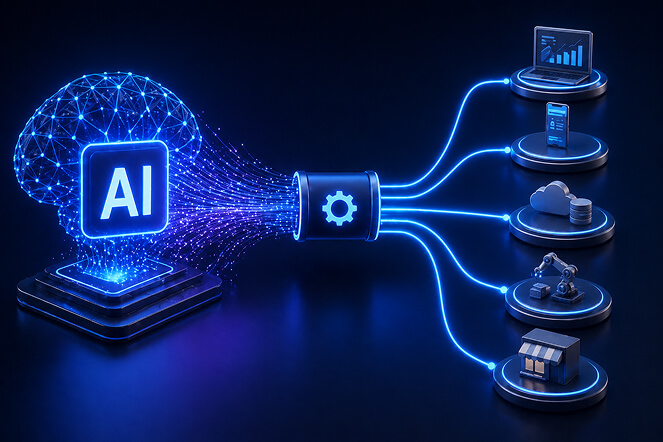
Businesses that failed asked: "Where can we add AI to what we're already doing?"
Businesses that succeeded asked:
"If we were building this company today, from scratch, knowing what AI makes possible... would it look like this?"
One question leads to incremental improvement. The other leads to a completely different company. The difference between making a typewriter faster and inventing a word processor.

Real Owners. Real Businesses. Real Results.
Same framework. Same question. Six industries. Same structural transformation.
Sarah — Digital Marketing Agency
Team: 12 → 7 (the people who stayed got raises).
Margins: 22% → 45%+.
Client onboarding: 3 weeks → 3 days.
Now serves more clients with fewer people and makes more money.
Victor — Executive Coaching
Stuck at $1.6M. Marketing cost $150K/yr for 15 leads/month.
Re-engineered acquisition. Marketing → $96K. Leads nearly doubled. Closes: 5 → 9/month. Hit $3M in under two years.
Joel — Renovation Company
Not tech — renovation. Quoting ate 15 hrs/week, 10-14 day turnaround. Re-engineered. Quoting → 4 hours. Turnaround → 3 days. Close rate: 35% → 52%. Revenue up 28% in two quarters.
Priya — SaaS Company
Spending $8,500/mo on 4 videos. Re-engineered the pipeline. Cost dropped to under $200/mo. Volume: 4 → 62 videos. Cost per trial signup cut nearly in half.
None of these owners are engineers. None wrote a line of code.
What This Book Isn't
There's no prompt list inside. No "500 ChatGPT hacks" that'll be outdated before you finish your coffee.
No technical jargon that assumes you went to MIT. No breathless hype about tools that barely work yet.
And it's not a pitch disguised as a book. I don't need $7 that badly.
What it IS: a complete framework from someone who's been building technology
businesses for thirty years. One question. A structured system for answering it
across every part of your business.
Who This Is For
Straight talk — if this doesn't fit, close the page. Your time matters.
This is NOT for you if…
You're looking for a list of AI prompts
You want AI to fix everything without changing your operations
You're an employee who doesn't make business-level decisions
You're not willing to look hard at what you've built
This is for you if…
You've gone all in on AI and can't figure out why results aren't showing
You know you need to start but you're drowning in conflicting advice
You're willing to question the structure you built five or ten years ago
You make business-level decisions (owner, founder, CEO)
Here's What Happens When You Get This Wrong
I've watched business owners put an AI agent on their sales process when they should have used a simple automation. Months of development. Thousands of dollars. The agent hallucinated on a client call and nearly lost a $200K account.
I've seen owners automate delivery before fixing lead generation — so they built a machine that could deliver ten times faster to a pipeline that was bone dry.
I've seen teams deploy AI across every department simultaneously, break half their workflows, and spend three months cleaning up the mess.
Every one of these failures came from the same place: no framework. No map. No sequence. Just enthusiasm and a credit card.
Get the sequence right and the whole thing compounds. Get it wrong and you're Marcus with eleven subscriptions and nothing to show for it.
What You're Getting In Return For Your Investment
The AI First Company — 35 chapters across 7 parts. A complete operating system for re-engineering your business around what AI actually makes possible.
The 10-second "Retrofit Test" that tells you whether your AI efforts are actually growing your business — or just making you feel busy. (pg. 12)
The one question every business owner should ask before they touch a single AI tool — and why almost nobody asks it. (pg. 18)
Why AI amplifies whatever's already there: a clear business becomes devastating, a chaotic one becomes industrial-scale chaos. (pg. 24)
The counterintuitive reason the businesses winning with AI never mention it to their clients — proposals that mentioned AI won at 24% vs 41% for identical proposals that didn't. (pg. 42)
The minimum you need to understand about how AI actually works to protect yourself from hype — no jargon, no code. (pg. 48)
The biggest weakness in AI that causes it to break down and produce garbage — and the design decision that fixes it permanently. (pg. 52)
The 5 categories of AI most business owners don't know exist — and how picking the wrong one sets you back months. (pg. 72)
The simple "Show Me" test that exposes whether someone selling you AI can actually deliver — or is just good at demos. (pg. 88)
The 7 zones of every business where AI applies differently — and the priority map that shows you which zone to attack first. (pg. 92)
The 5 revenue levers AI can actually move — and the 3 it can't touch no matter what anyone promises. (pg. 58)
How to find your one binding constraint and solve it permanently — fix this one thing and everything downstream improves. (pg. 98)
The Buy, Build, or Wait decision matrix — and why "wait" is the right answer far more often than the vendors want you to believe. (pg. 80)
Why your AI tools aren't talking to each other — and the invisible architecture problem costing you compounding gains every month. (pg. 110)
How to know when it's safe to let AI run without human oversight — and the graduation principle that tells you exactly when to let go. (pg. 118)
The one thing every AI guru teaches that's actually the lowest-value skill you can learn — and what to focus on instead. (pg. 96)
The surprising side effect of preparing your business for AI that makes your company independently more valuable — even if you never deploy a single tool. (pg. 130)
How to restructure your team around AI without firing anyone — the shift that makes your best people more valuable, not less. (pg. 124)
The exact technology stack behind $2.8B+ in client revenue — every tool, how they connect, no affiliates. (pg. 140)
The popular AI platforms I tell every client to avoid — named specifically, with real failure data. (pg. 156)
The 90-day re-engineering roadmap — week by week, staged so nothing breaks and your team doesn't revolt. (pg. 168)
The identity shift that separates business owners who stay trapped in operations from the ones who build companies that run without them. (pg. 176)
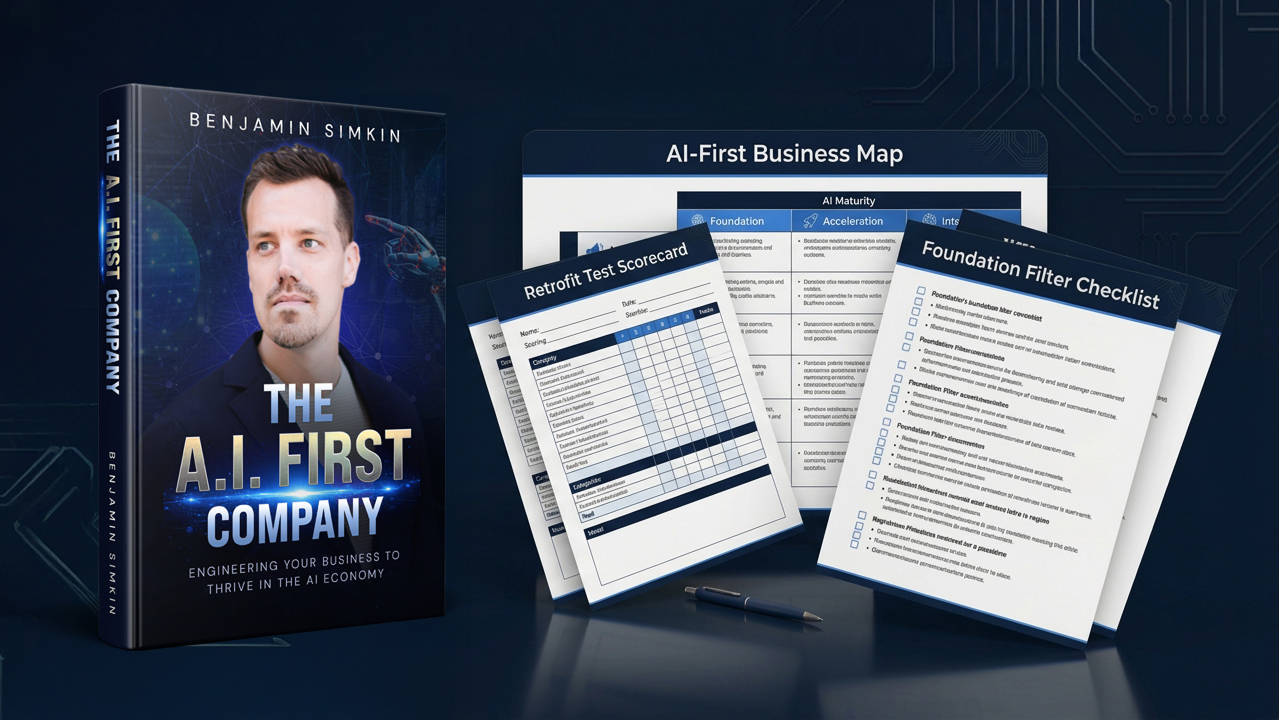
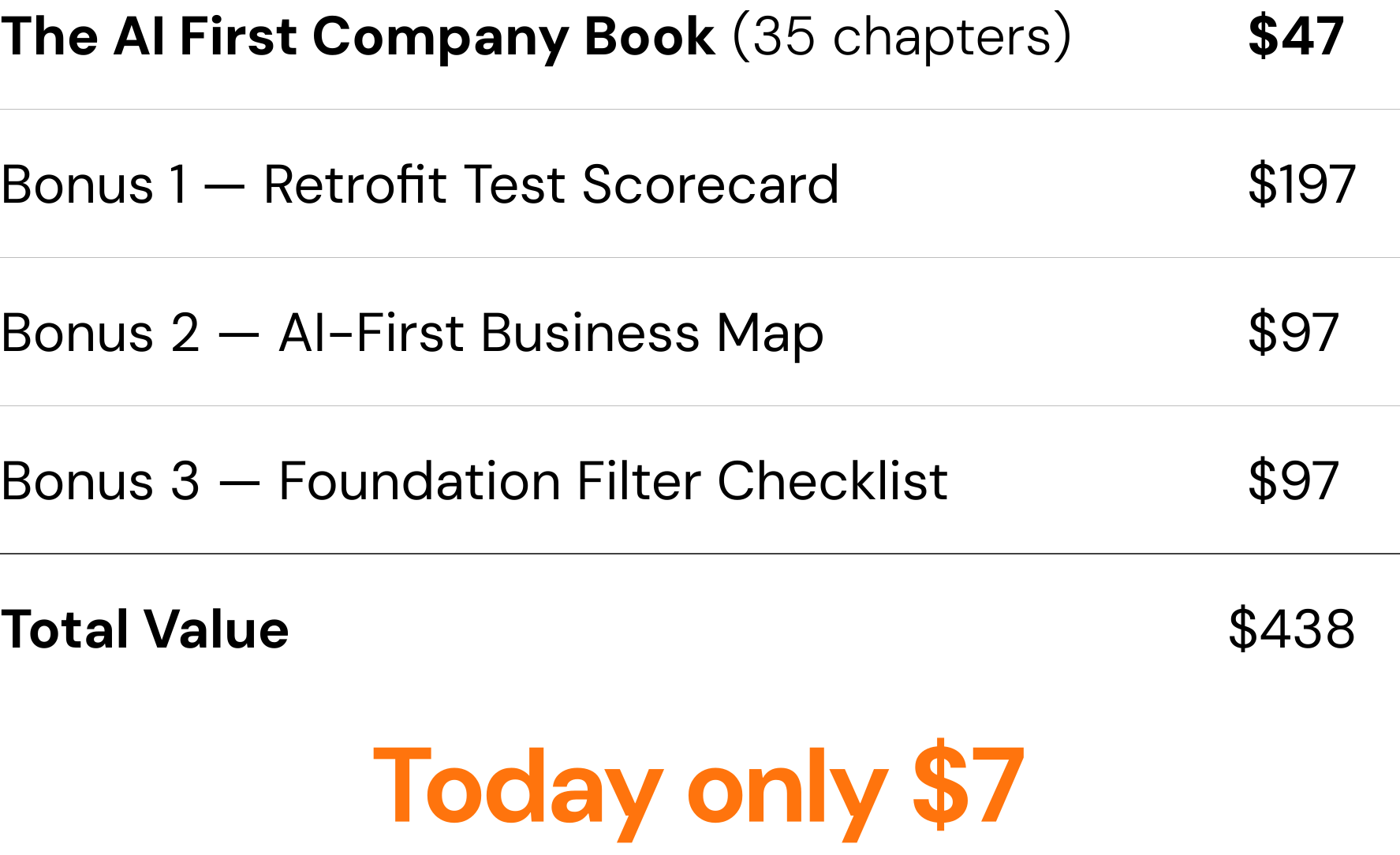
Plus These 3 Bonuses Free With the Book
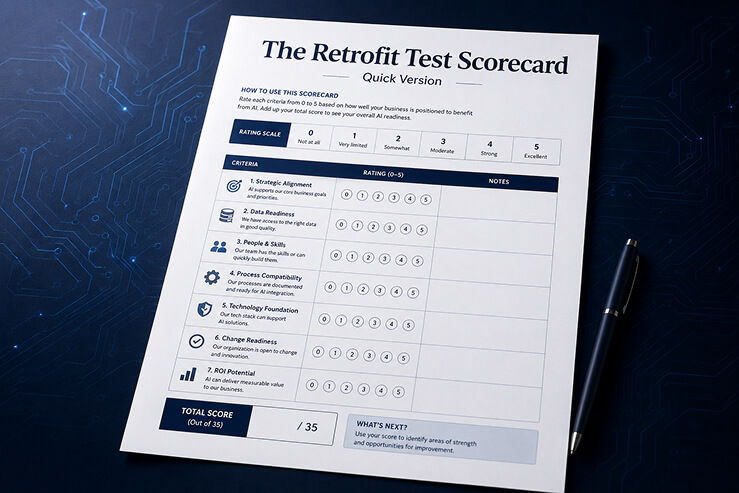
Bonus 01
The Retrofit Test Scorecard
Five minutes. Score your business across all seven functional zones and know exactly where you stand on the retrofit-to-AI-first spectrum. Shows you your biggest leverage point.
$197 value
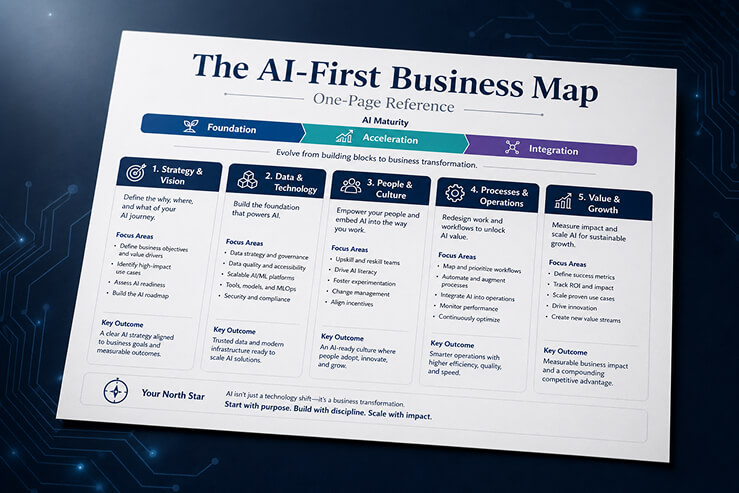
Bonus 02
The AI-First Business Map
A one-page visual reference of the 7 business zones — where AI applies, what form it should take, and what to prioritise first. Print it. Put it on your wall.
$97 value
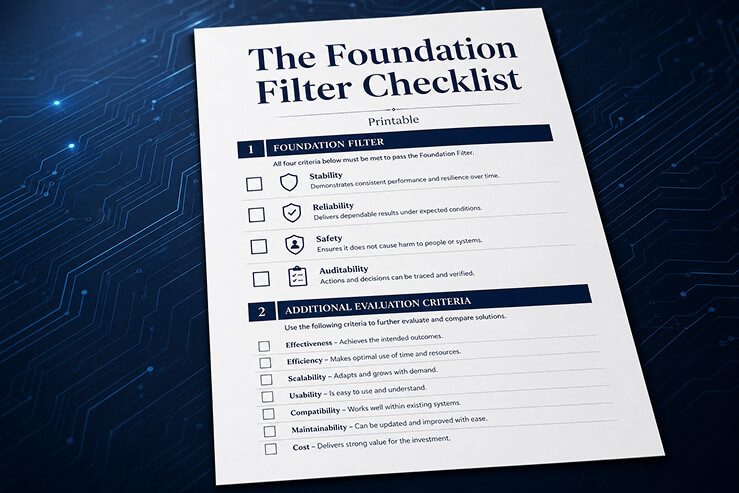
Bonus 03
The Foundation Filter Checklist
Before you spend another dollar on an AI tool — run it through this. The 4-point evaluation framework (Stability, Reliability, Safety, Auditability) as a printable scorecard.
$97 value
Imagine 30 Days From Now...
Here's what the next 12 months look like when you apply the framework.
30 Days From Now
You've finished the book. You've run the Retrofit Test. For the first time, you know exactly where your business is leaking time and money — not vaguely, specifically.
You've identified the two or three zones where AI can actually move the needle. You have a clear 90-day plan. The noise has stopped.
90 Days From Now
You've made the first structural changes. Your team has shifted — fewer people, better roles, higher pay. Your delivery model is different. Onboarding that used to take weeks now takes days.
Revenue per person is climbing. Margins are moving. AI isn't a layer anymore. It's load-bearing.
12 Months From Now
The compounding advantage is yours. Your competitors — the retrofitters — can't figure out how you're doing it. Lower costs. Higher capacity. Wider margins.
Year one, you're ahead. Year two, the gap doubles. Year three, you're in a different league. A well-designed system compounds. That's just maths.
Three Paths. You're About to Choose One.
This is the part where I stop being diplomatic. Two of these futures are catastrophic. One of them costs $7.
01
Ignore AI Completely
Businesses that ignore AI won't exist in five years. Their competitors will operate at 2-3x their efficiency — undercutting pricing, delivering faster, winning clients you thought were locked in.
You don't go out of business in a bang. You go out slowly.
02
Keep Doing What You're Doing
The more dangerous path — because it FEELS productive. Your LinkedIn looks great. You can talk about agents and models.
Six months from now you look up and realise you've spent tens of thousands on AI that didn't move the needle. That's $24,000/yr on the Retrofit Trap.
03
Build an AI-First Business
You invest $7 and a few hours. You get the framework that makes sense of everything. The same structural thinking behind $2.8 billion in client revenue.
You'll know exactly what to change first, and how to build AI into the foundation.
There is no "wait and see." You're either re-engineering or you're retrofitting. And retrofitting is just a slower way to fail.
BUT WHY WOULD I Give MY TWO DECADES OF KNOWLEDGE AWAY FOR $7?
If this framework has generated $2.8 billion in client revenue, why am I sharing it for the price of a sandwich?
First, someone needed to put a real framework in business owners' hands at a price that removes every barrier.
Second, I'd rather have ten thousand business owners redesigning intelligently than ten thousand burning money on tools that don't change anything.
Third, some of you will read this and want to go further. Some will apply for The Mastermind. That's fine — but the book stands entirely on its own.
Seven dollars removes the barrier. If I charged a hundred, most of the people who need this most would talk themselves out of it.
The $7 isn't the cost. The cost is another month of standing still.

365-Day Money-Back Guarantee
I'm so confident this book will change how you think about AI in your business that I'll take on every penny of risk.
Read the book. Run the Retrofit Test. Apply the framework. Take a full year.
If at any point in those 365 days you don't believe it was worth the investment — email us. You'll get 100% of your $7 back. No questions. No forms. No guilt.
And you can keep the book and all three bonuses as a thank you.
Common Questions
(And Real Answers)
"But Ben... I'm not technical. Will I understand this?"
This book was written for business owners, not engineers. No code, no jargon. I've spent thirty years translating complex technology into plain English. If you can run a business, you can read this book.
I've already read other AI books. Why would this be different?
Most AI books teach you WHICH tools to use. This book teaches you HOW to structure your business around what AI makes possible. Completely different question. Your problem isn't tools — it's that you bolted tools onto a business designed before AI existed.
Does this work for my industry?
It's been applied across digital marketing, accounting, physiotherapy franchises, renovation, SaaS, coaching, and plumbing. The question works in every industry because it's structural. Your industry isn't the variable. Your business design is.
What if AI changes and the book becomes outdated?
Tools change every six months. This book isn't about tools. The question will be just as relevant in five years as it is today — probably more, because the gap between AI-first companies and retrofitted ones only grows.
Is this just a pitch for your Mastermind?
The book stands entirely on its own. If you implement everything inside without ever speaking to me, your business will be different on the other side. If the book didn't deliver standalone value, the 365-day guarantee would bankrupt me.
I don't have time to read a whole book right now.
Start with the Retrofit Test. Five minutes. It'll tell you exactly where your business stands. That alone is worth the $7. If you have time to evaluate another AI tool, you have time to read the framework that tells you whether that tool is worth evaluating.
What exactly is the guarantee?
365 days. Full refund. No questions asked. You keep the book and all three bonuses. Email us at [email protected] and the money is back in your account.
P.S. The owners who re-engineered twelve months ago got a compounding advantage — cost base dropped, capacity increased, quality went up, margins expanded. By the twelve-month mark, the gap was visible to anyone paying attention. You don't close that gap by adding more tools to a structurally inferior business. You close it by redesigning the structure. That's what this book teaches you, for $7 and with zero risk. Every month you wait, the gap widens.
P.P.S. If you skipped to the bottom — here's the deal. $7 gets you the 35-chapter book plus all three bonuses. 365-day money-back guarantee — you keep everything even if you refund. The frameworks inside have been pressure-tested across businesses generating $2.8 billion in revenue. Grab your copy now.
Your Next Step
For $7, you're getting the framework behind $2.8B+ in client revenue.

🔒 100% Secure · USD Currency
Still Have Questions?
Call us at +61 489 263 587 · Email us at [email protected]
If you have questions about the book or how it applies to your specific situation — ask.
Copyright © 2026 . All Rights Reserved.
Refunds may be denied where downloaded content materially exceeds a reasonable preview of the program.
Every file download is logged to your account. Each specific program has specific refund policies.
This site is not a part of the Facebook™ website or Facebook™ Inc. Additionally, this site is NOT endorsed by Facebook™ in any way. Results shown are not typical and will vary. Business success depends on individual effort, market conditions, and implementation.